TL;DR
Workplace noise is one of the most underestimated performance barriers in London’s SME offices, and it hits neurodivergent employees hardest. Workspace, home to 4,000+ London businesses, explores the acoustic and cultural changes that actually make a difference.
- Employees lose up to 86 minutes a day to distractions - and it takes 23 minutes to fully refocus after a single interruption.
- Around 15–20% of the workforce is neurodivergent. In noisy environments, their performance, focus and wellbeing are disproportionately affected.
- Acoustic panels can absorb up to 95% of background noise and reverberation - a practical, measurable fix.
- Environment matters. So does culture. Businesses that tackle both see stronger retention, better engagement and more consistent performance.
Table of Contents
1. How workplace noise affects neurodivergent employees
2. Acoustic design: what actually works in real offices
3. Why culture and management matter just as much
4. The hidden risk: losing high performers without realising why
5. Neuroinclusive vs standard workplace: a comparison
6. What this means for you as an SME leader
7. Frequently asked questions
8. Sources
Noise isn’t just a workplace irritation. It’s a measurable performance issue.
Employees lose up to 86 minutes a day to distractions. When they do get interrupted, it takes an average of 23 minutes to fully refocus. In open-plan offices, noise is the number one cited distraction for employees - and for growing businesses, that adds up to lost productivity, lost focus, and eventually lost people.
In open-plan offices, noise is the most commonly cited distraction. For neurodivergent employees, particularly those with ADHD, the impact on concentration and wellbeing can be even greater.
Workspace Group provides space to 4,000+ London businesses, seeing firsthand how better office design and more supportive management can improve focus, retention and performance.
Drawing on my experience as an ADHD coach, this article shares practical ways to create a more neuroinclusive workplace.
1. How workplace noise affects neurodivergent employees
Deloitte estimate that around 15–20% of the workforce is neurodivergent - including people with ADHD, autism spectrum conditions, dyslexia and dyspraxia.
For many neurodivergent people, the brain is already working harder than those around them just to function in a standard office environment. It isn’t that neurodivergent people can’t perform. It’s that they often spend far more energy filtering noise, managing distraction and regulating overwhelm before they even begin the work.
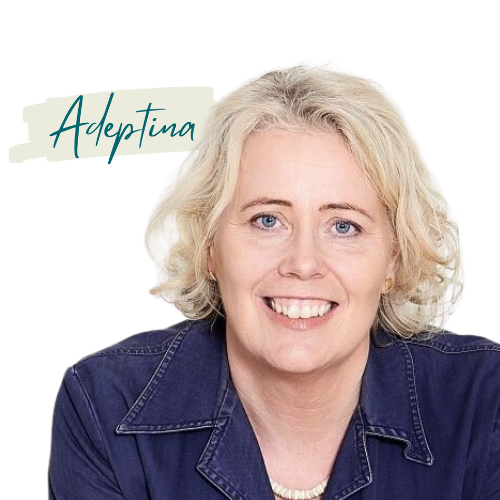
ADHD Coach and corporate trainer Tina Squire sums it up perfectly; “When people are supported in ways that work for them, they contribute more effectively, and sustain performance over time.” The reverse is equally true. Unsupported, they burn out faster and leave sooner.
From both of our experiences, the most common insight we hear is that it’s not a case ofneurodivergent people unable to perform – instead it’s that they’re spending a disproportionate amount of their energy just managing the environment, filtering noise, suppressing distraction, regulating overwhelm - before they even start the actual work.
For neurodivergent employees, this often shows up as:
- Reduced ability to sustain deep focus
- Increased mental fatigue from background noise
- Greater overwhelm in open-plan environments
- Inconsistent performance
In the wrong environment, that can look like distraction and fatigue. Eventually, the person leaves, and no one quite knows why.
86 min
|
|
Average time lost per employee per day due to distractions
University of California, Research on workplace interruptions and focus recovery, Irvine
|
2. Acoustic design: what actually works in real offices
Open-plan offices can reduce productivity by up to 15% due to noise and interruptions.
Acoustic design can make a measurable difference without a major refit:
- Sound-absorbing wall panels (look for an NRC rating above 0.8 for best results)
- Ceiling baffles that reduce the bounce and spread of reflected noise
- Soft furnishings and carpeting
- Clearly defined quiet zoned areas and acoustic booths
A great example of this in practice is akustikplus, a wood-based acoustic panel specialist based at Workspace's The Record Hall in Clerkenwell. They’ve developed acoustic panels that absorb up to 95% of background noise and reverberation - creating calmer, more focused environments.
What I find compelling about that 95% figure is not just what it does for general productivity. It’s what it does for the 15–20% of your team who were working twice as hard just to get to the same starting line.
Did you know...? Research by Lipovac & Burnard (2021) suggests that natural materials can reduce sensory stress and support attention recovery⁹. This can be particularly beneficial for employees with ADHD and sensory processing differences.
Finding the right space at Workspace Group
Different space types suit different acoustic needs. Private offices and studios offer inherently quieter environments with more control over noise levels. Open-plan spaces benefit most from the zoned interventions above. And across the Workspace portfolio, there are 100+ meeting rooms available for focused work, sensitive conversations or uninterrupted deep-work sessions.
Workspace’s blank-canvas model means you can also adapt your space over time - adding acoustic improvements, creating quiet zones, or reconfiguring entirely as your team’s needs evolve.
95%
|
|
Sound energy absorbed by high-performance acoustic panels
akustikplus, The Record Hall, Clerkenwell, London
|
3. Why culture and management matter just as much
Environment alone won’t solve it. I say this often when speaking with customers, acoustic panels are necessary but not sufficient. The way your team is managed matters just as much.
In practice, a neuroinclusive culture requires:
- Clearer, more explicit communication of expectations - written as well as verbal
- Flexibility in how and where work gets done, not just where people sit
- Managers who understand different working styles and can adapt accordingly
- Psychological safety to raise challenges without fear of being seen as difficult or disengaged
As ADHD coach Tina Squire often says, these are not wellbeing nice-to-haves. They are performance drivers. For SMEs, where every person counts, the return can be significant.
4. The hidden risk: losing high performers without realising why
This is the one that keeps me up at night. Honestly.
One of the biggest risks for SME leaders is silent disengagement: a high performer gradually withdraws without ever feeling able to explain what’s wrong.
High-performing neurodivergent employees often:
- Mask challenges effectively
- Push through unsuitable environments rather than raising concerns - because they’ve learned that raising concerns doesn’t always go well
- Leave without giving a clear explanation, because the real reasons feel too difficult or too ‘soft’ to articulate
This pattern is often connected to something called rejection sensitivity dysphoria (RSD) - an intense emotional response to perceived criticism, negative feedback or unclear expectations. It is very commonly experienced by people with ADHD. RSD can make a standard performance review or an ambiguous email feel disproportionately high-stakes. The result is often avoidance and, eventually, someone handing in their notice.
For SMEs, the commercial consequence is significant: talent loss, hiring and onboarding costs (typically estimated at 6–12 months’ salary per role), and disruption to team performance - none of which is obviously connected to the environmental or cultural conditions that caused it.
You lose a great person. You don’t know why. And it happens again.
5. Neuroinclusive vs standard workplace: a comparison
The table below shows the key differences across the dimensions that matter most for neurodivergent performance and retention. It’s not an exhaustive list - but if you’re honest about where your organisation sits across these dimensions, it’ll give you a clear sense of where to start.
| Dimension |
Standard workplace |
Neuroinclusive workplace |
| Noise levels |
High distraction; no acoustic strategy or planning
|
Controlled, with acoustic panelling and quiet zones setup |
| Focus support |
Inconsistent; dependent on individual coping
|
Structurally supported through environment and process |
| Communication |
One-size-fits-all; sporadic, unclear and primarily verbal |
Clear, explicit, consistent, authentic and multi-format. Setting out next steps with dates or relevant recognizable metrics |
| Manager capability |
Reactive; often unaware or unconfident tailoring to neurodivergent needs
|
Proactive; trained; practicing different working and thinking styles. Open, inspiring safety. |
| Performance management |
Key performance metric, and outcome focused; context blind. Perhaps lambasting team members for unfinished tasks
|
Flexible; guiding and being available. Accounting for environmental and emotional factors, spotting burnout signs. |
| Employee wellbeing |
At risk; strain often invisible until attrition. Anxious, hesitant, stuck. |
Monitored and supported proactively. Suitable adaptations made available. |
| Retention |
Higher turnover risk for neurodivergent talent |
Improved retention and performance across whole workforce |
6. What this means for you as an SME leader
Small changes create disproportionate impact. You don’t need to overhaul your entire office nor hire a neurodiversity consultant to make meaningful progress. Here’s where I’d suggest starting.
Assess your environment
Walk your office. Where’s the noise? Where do people avoid sitting? Where do they go when they need to concentrate? You’ll probably already know the answer - but mapping it makes it actionable. Remember: 69% of employees in open-plan offices cite noise as their number one distraction. That’s not just a neurodiversity issue but a business issue.
Invest in acoustic improvements
Start with high-impact, practical changes: panels, baffles, designated quiet zones. If you’re already a Workspace customer, akustikplus at Record Hall, Clerkenwell, are worth talking to directly. Members of the Workspace community can access exclusive benefits, so get in touch with them to find out more.
Build manager capability
Equip your managers with the tools to recognise and support different working styles. This doesn’t require a major training budget - often a structured coaching programme, a clearer communication framework, and a shift in how one-to-ones are run can make a significant difference.
Start the conversation
Awareness alone reduces stigma - and stigma is one of the main reasons neurodivergent employees don’t raise challenges early. You don’t need to have all the answers. Creating the conditions for open, honest dialogue is itself a meaningful change.